Report: IDP Camp at Primary School Horep
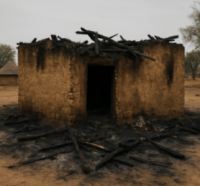
Long before we reached the camp, one difficult truth had already taken shape:
Six villages attacked.
Six communities emptied.
Six histories abruptly interrupted.
This wae first time the district had ever experienced such attacks, and it has left the community in disbelief.
These are not statistics. They are families whose ordinary lives were halted without warning.
For generations, the people of Mushere District lived in friendship and cooperation with Fulani herdsmen. They offered water, resting places, and hospitality, believing they were building bridges. That long tradition of welcome has now been turned into a story of violence and loss.
Homes once full of laughter now stand silent.
Cooking stones have grown cold.
Children’s books lie under broken roofs.
Farmlands remain quiet where families once built their future.
What we encountered is not only displacement. It is a breaking of roots and identity.
A School Turned Shelter
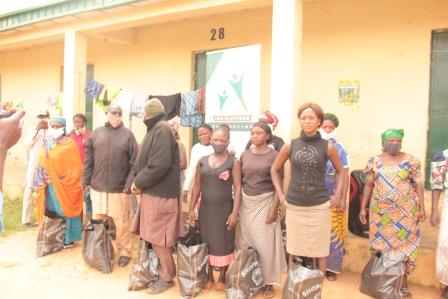
Primary School Horep, once a centre of learning, now hosts hundreds of displaced families. The classrooms have become shelter, the corridors now serve as sleeping areas, and the playground has transformed into a holding space for survival.
We were received by three leaders who now carry the weight of their entire community:
The Camp Commandant, maintaining order with a calm authority shaped by exhaustion.
The Women’s Leader, constantly attending to children and mothers around her, a steady symbol of strength.
The Youth Leader, a young man balancing hope with the harsh realities around him. He was the assitant youth leader now youth leader after his predecessor was killed in his farm a few days ago.
Their stories painted a picture deeper than any written report could capture.
"They Are Out in the Farms"
When we asked to meet more of the displaced families, we were told that many were “out in the farms.” At first, it sounded like a normal routine. But the reality is far more sobering.
They are farming on borrowed land, trying to recover fragments of dignity and survival after their own farmlands were seized or destroyed.
Their absence tells its own story:
They are farmers without land.
Parents without homes.
Children without classrooms.
The school building that should be nurturing young minds is now their temporary refuge. Many of the children have not sat in a normal classroom for months.
Resilience in the Midst of Hardship
Despite the losses, there is a remarkable sense of resilience in Horep:
They have organized themselves.
They support one another.
They hold firmly to their identity.
They believe they will return home someday.
We exchanged contacts with the camp leadership, not as a formality, but as a step toward long-term partnership and support.
Immediate Needs
The community outlined the most urgent needs as they struggle through the coming weeks:
Staple foods such as maize, rice, and beans
Warm clothing and blankets as temperatures drop
Basic medical and sanitary items
Educational materials for displaced children
Emotional and psychosocial support, particularly for women and youth
This is not simply relief. It is the restoration of dignity in practical, meaningful ways.
A Shared Path Forward
As we drove back to Jos after the visit, the weight we carried was heavier, but it came with purpose. This field visit marked the beginning of a shared journey with the Horep IDP community.
The Platform Foundation will continue to walk with these families as they heal, rebuild, and work toward reclaiming their lives. Hope is not distant here. It is something we commit to building together—step by step, visit by visit, and hand in hand.
The Platform Foundation
GTBANK 0459255533